Search no longer begins and ends with blue links. A buyer may ask ChatGPT for a shortlist, read Google AI Overviews, or compare options in Perplexity. The answer may arrive before a website visit.
That shift has pushed answer engine optimization into many marketing plans. It has also caused confusion. Is AEO replacing search engine optimization, or is it another layer of the same work? Most businesses need both. SEO helps a page get found. AEO helps its information become clear enough to quote and trust.
What Is SEO in 2026?
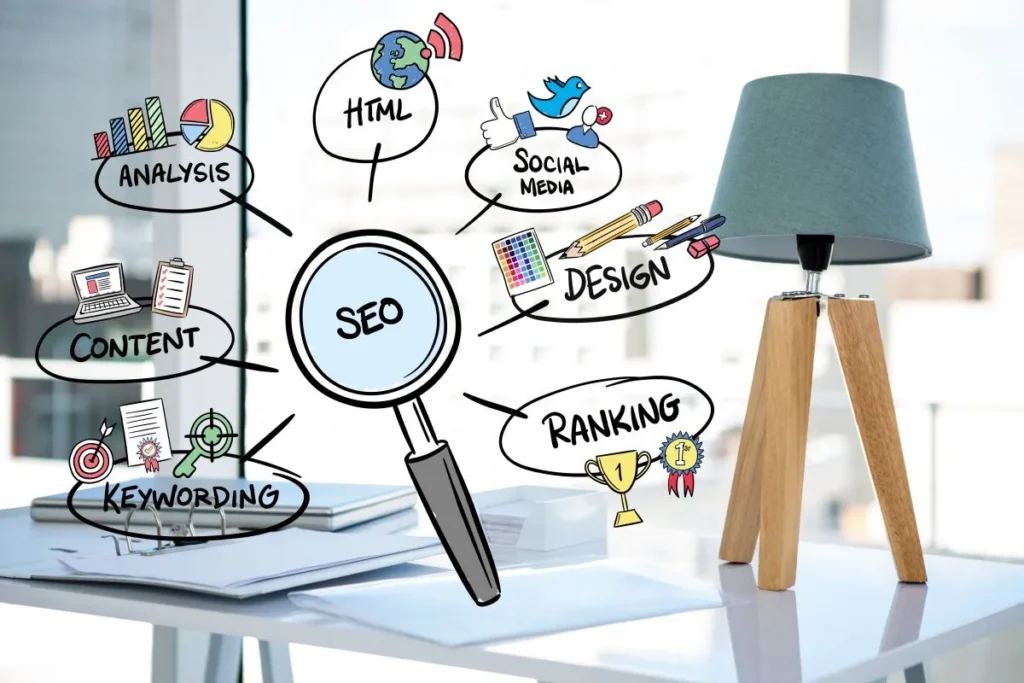
Search Engine Optimization (SEO) improves a site’s ability to appear in organic results. It covers technical access, useful content, internal links, page experience, and authority. Keywords work best when the page matches the reason behind a search.
Google’s SEO Starter Guide explains that good SEO helps search engines crawl, index, and understand content. It also makes pages easier for people to use. That foundation has not disappeared because AI search has grown.
A sound SEO plan asks practical questions. Can a crawler reach the page? Does the title explain the topic? Is the content useful? Proteus Technologies’ search engine optimization services follow the same broad path through audits, keyword research, on-page work, technical SEO, and reporting.
What Is Answer Engine Optimization?
Answer Engine Optimization (AEO) is the work of making information easy for an answer system to find, understand, and present. The target may be a featured snippet, a voice response, an AI summary, or a cited answer from tools such as ChatGPT, Gemini, and Perplexity.
An AEO strategy does not mean writing a stack of short answers. It means giving each question a clear response, then adding proof and context. Strong headings, direct definitions, and useful examples make the page easier to interpret.
This is where answer engine optimization vs SEO overlaps. Both need accessible pages, accurate content, and a logical site. AEO puts more weight on answer-ready passages. SEO also considers search demand, links, and site performance.
AEO vs SEO: The Main Differences
The difference is easiest to see by looking at the outcome each practice is designed to support.
| Area | SEO | AEO |
| Main goal | Earn visibility and visits from search results | Become a useful source within direct answers |
| Typical surfaces | Organic listings, local results, images, and featured snippets | AI answers, voice tools, summaries, and cited responses |
| Content focus | Search intent, depth, relevance, and page quality | Clear questions, concise answers, facts, and supporting context |
| Technical focus | Crawling, indexing, speed, mobile use, and internal links | Crawl access, clean structure, entities, and machine-readable context |
| Measurement | Rankings, clicks, traffic, leads, and conversions | Citations, mentions, answer visibility, referral visits, and conversions |
SEO vs AEO is not a choice between old and new search. A page that cannot be crawled or understood has little chance in either system. Google says that the same SEO practices used for regular Search also apply to its AI features. Its AI optimization guidance also states that no special schema markup is required for generative search.
Why Your Business Needs Both
People search in different ways. One person may type a service and city into Google. Another may ask an AI tool to compare providers. A third may search a recommended brand by name. A combined plan supports that journey.
SEO creates the base. It helps important pages enter search indexes, build topical authority, and compete for useful queries. Proteus’ guide to semantic SEO in 2026 shows why intent, entities, and full topic coverage now matter more than repeating one phrase.
AEO makes that base easier to use in direct answers. It can improve AI visibility when a clear statement has nearby evidence. It also helps human readers. A short definition or useful comparison saves time, whatever the traffic source.
Access matters too. OpenAI says sites that block OAI-SearchBot will not appear in ChatGPT search results. Perplexity gives similar advice for PerplexityBot, which is used to surface and link websites in its search results. Robots.txt rules should be a deliberate business choice, not an old setting nobody has reviewed.
How to Build an AEO Strategy on Top of SEO
Start With Search Intent and Real Questions
Review the questions customers ask in sales calls, support tickets, site search, and keyword tools. Give each page one main job. A service page should explain the offer and next step. A guide should answer the question before moving into detail.
Avoid padding the opening with broad claims. If the heading asks, “What is AEO?” answer it in the first sentence. The rest of the section can explain why the answer matters.
Build Topic Depth, Not Keyword Variations
Cover the terms, decisions, and follow-up questions that belong to the topic. Link related pages so both readers and systems can see the connection. This supports topical authority and reduces the need to force every keyword into one article.
Useful content also needs a point of view. Add first-hand lessons, examples, original comparisons, or clear methods where the business has real experience. Proteus’ article on the latest Google algorithm changes reinforces the lasting need for people-first content, sound structure, and trust.
Use Structured Data With Care
Structured data can label facts about an organization, article, product, event, or local business. Google uses it to understand pages and determine eligibility for certain rich results. Its structured data guide recommends JSON-LD, but the markup must describe content that users can see.
Schema markup can support SEO and AEO, but it cannot rescue weak copy. There is also no universal “AEO schema.” Use a supported type when it fits the page, validate it, and keep it current.
Make Trust Easy to Check
Show who wrote or reviewed the content when expertise matters. Use clear dates, accurate company details, and links to original sources. Keep brand names, product facts, and author information consistent across the site. These steps help a reader verify the answer and reduce mixed signals for search systems.
Measure Visibility Beyond Rankings
Rankings and organic traffic do not show the whole search journey. Track branded searches, featured snippets, AI referrals, and citations for key questions. Test prompts that match real customer needs, but remember that answers can change between users and sessions.
In June 2026, Google introduced a generative AI performance view in Search Console for features such as AI Overviews and AI Mode. Focus on trends rather than one screenshot. In zero-click search, a mention may have value without a visit. Leads and conversions still show whether that visibility supports the business.
Conclusion
AEO and SEO solve different parts of the same discovery problem. SEO gives content the technical and strategic base to be found. AEO makes the best parts of that content easier to extract, explain, and cite.
Most businesses do not need a separate content library for every answer engine. They need one reliable site with strong SEO, clear answers, useful proof, and consistent brand signals. Start with crawl access and helpful pages. Then shape key sections for direct answers and measure where the business appears. In 2026, that combined approach is more practical than choosing one side of AEO vs SEO.